About canine hoppers
Canine Hoopers is a gentle dog activity built around connection: clear communication, confidence, and the kind of teamwork that lets your dog work happily at a distance from you. It’s designed to be low-impact and inclusive—making it a great option for handlers who can’t (or don’t want to) run, and for dogs who need a sport that’s kinder on their bodies.
Hoopers uses obstacles such as hoops, tunnels, gates and ‘touch & go’ mats in open, flowing course patterns. There are no jumps and no heavy contact equipment, which makes it a kinder option for bodies — while still offering plenty of skill development and progression.
A big focus of hoopers is distance handling: learning how to guide your dog with cues and body language so they can work confidently away from you, with clarity and trust.
Canine Hoopers is based in Adelaide, with options for bringing classes to you when a suitable space is available.
Why is hoopers different
Hoopers uses flowing courses made up of low-impact obstacles such as hoops and tunnels. The guiding idea is simple: always through, never over—so you won’t find jumping, contact obstacles, or physically intense equipment that can be a barrier in other dog sports.
-
Because the courses are designed to be gentle and open, hoopers can suit:
older dogs
young dogs learning body awareness and confidence
dogs with limited mobility
handlers with limited mobility (including wheelchair users)
-
Hoopers is an established sport in the UK, Europe, Canada, and the USA, and it’s becoming more popular in Australia.
My approach is informed by the rules and standards used internationally, particularly through Canine Hoopers UK and Canine Hoopers Canada, and I build courses and learning objectives that introduce teams to hoopers skills and equipment in a structured way.
-
My focus is on creating a training environment where teams can learn safely and progress steadily:
Positive reinforcement training to build clarity and trust
Handling skills and communication that support working at a distance
A calm structure that can suit dogs who aren’t comfortable in busy group classes
Adaptable sessions (including options for specific training requirements)
In classes, teams take turns in the training area, with two short coached sessions each class—one to practise a small sequence, and one to run a simple course that brings the skills together.
-
Canine Hoopers is now based in Adelaide. If you have a group interested in training closer to your suburb, I can run sessions in different locations when there’s a suitable arena and a minimum of four teams (one dog + one handler) are ready to train. Travel outside Adelaide is also possible—let’s discuss what you need.

Meet Penny
Hi, I’m Penny—trainer, instructor, and the person behind Canine Hoopers.
I’m a Karen Pryor Academy Certified Training Professional (KPA CTP #53126), and I instruct across behaviour training, agility, tricks, and hoopers. I’m also a registered Trick Dog Test Judge and a member of professional training organisations including PPGA and APDT.
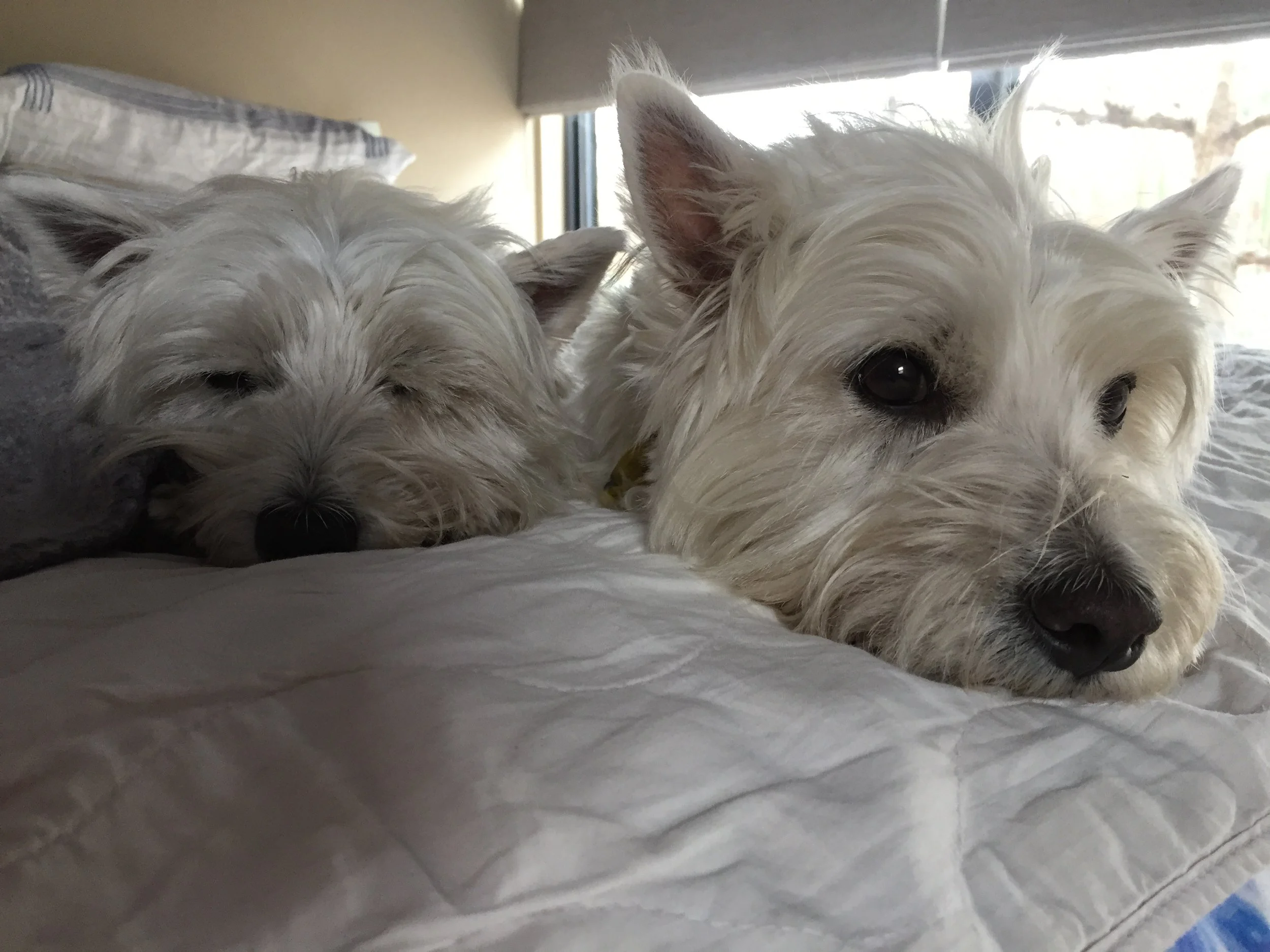
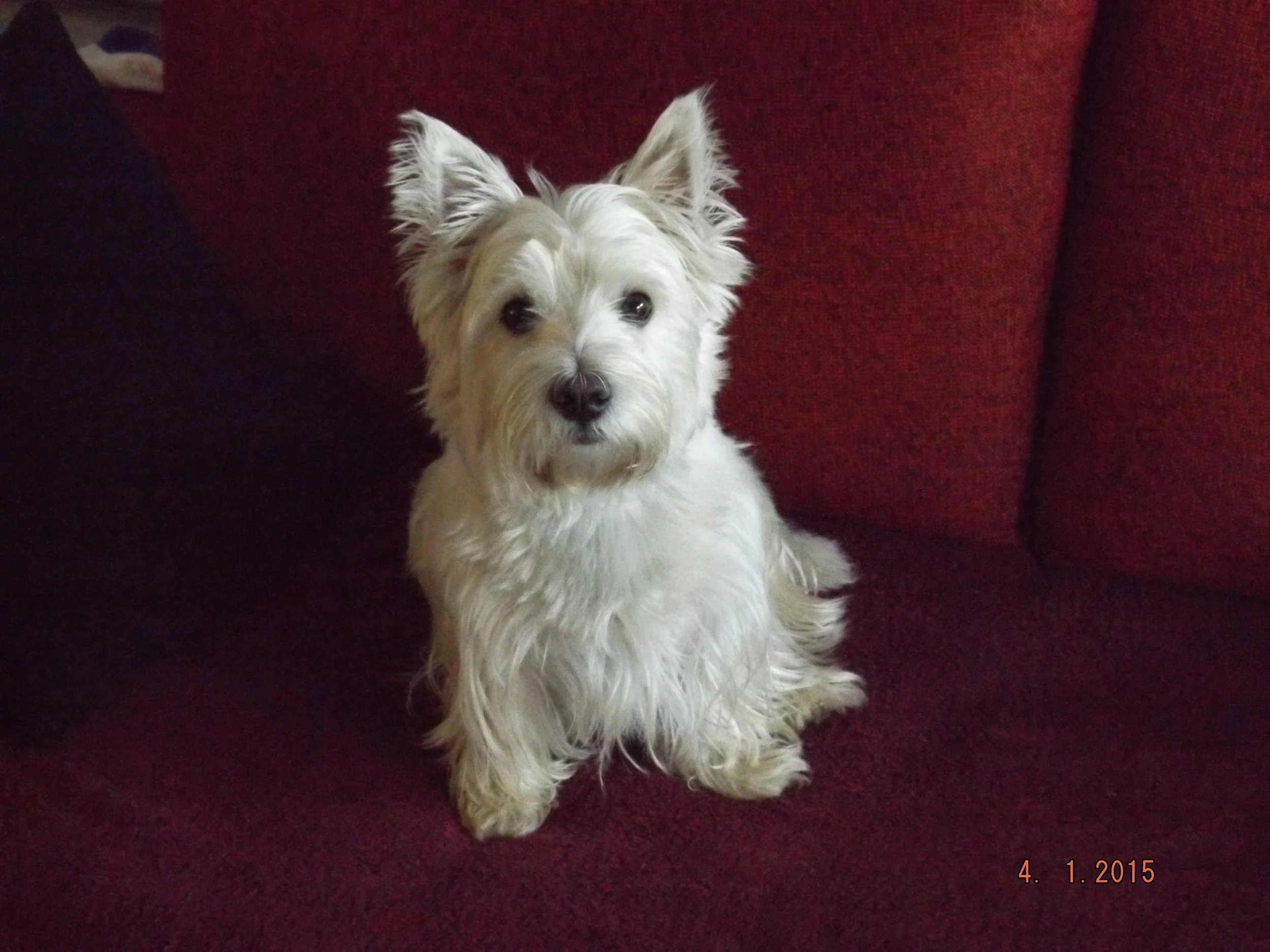
My own dogs, Bobby and Polly, have taught me (repeatedly) that good training is about meeting the individual in front of you. I started looking for training approaches that balanced enthusiasm, confidence, and real-life household needs—and that journey is what eventually led me to hoopers.
If you’re curious about hoopers—or you already know you want something low-impact and accessible—get in touch. There’s no automated booking system, because I prefer to talk with each person first and understand what will be best for you and your dog
CERTIFICATIONS AND AFFILIATIONS




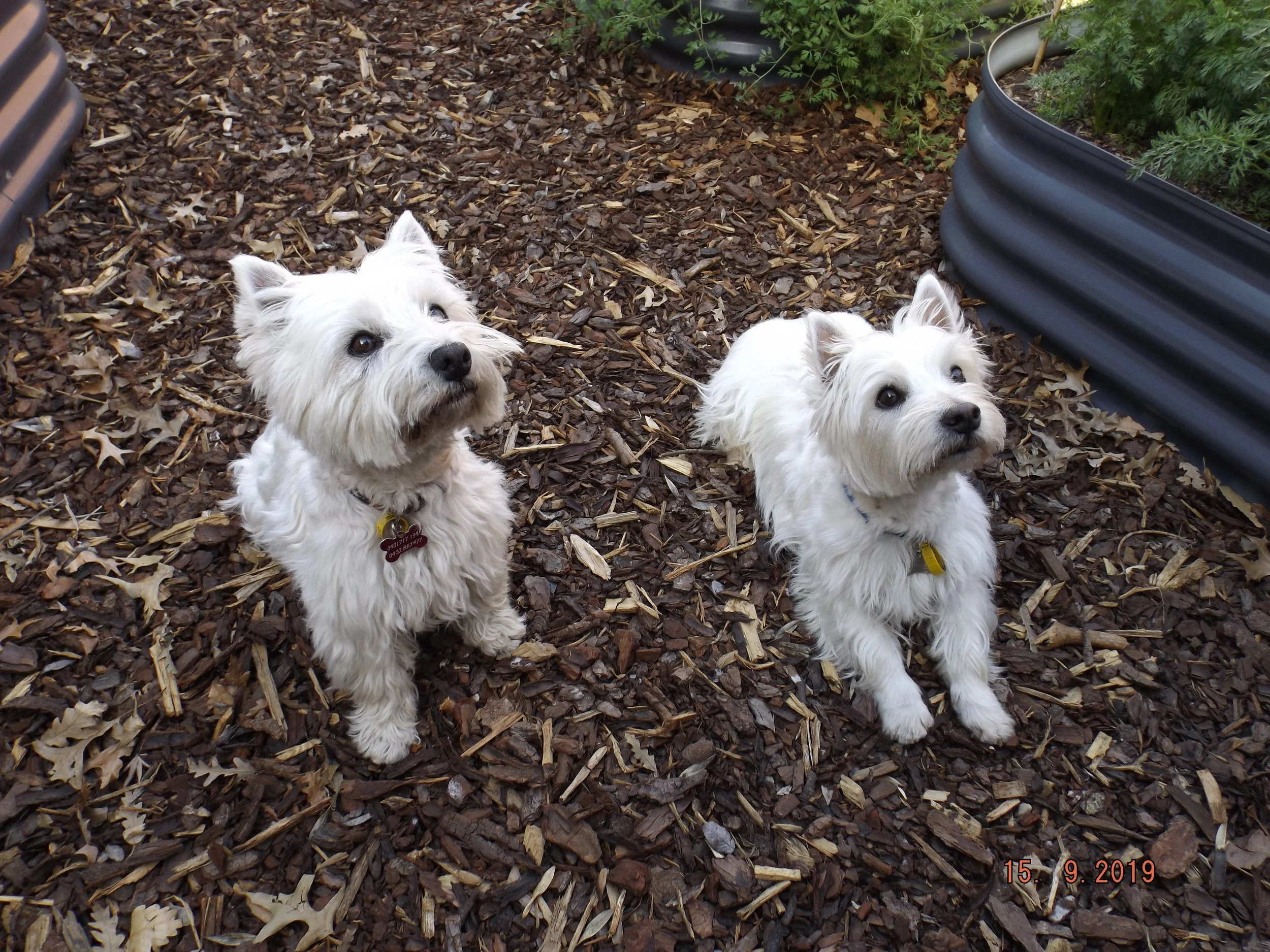
Bobby & POLLY:
Penny’s journey into
canine hoopers
When I adopted Bobby, I needed different training skills to help find the balance between his spark for life and being part of a household.
We bonded by going to behaviour training classes, agility training and trick dog classes. This year, we achieved our first title: Trick Dog Starter (TK.S).
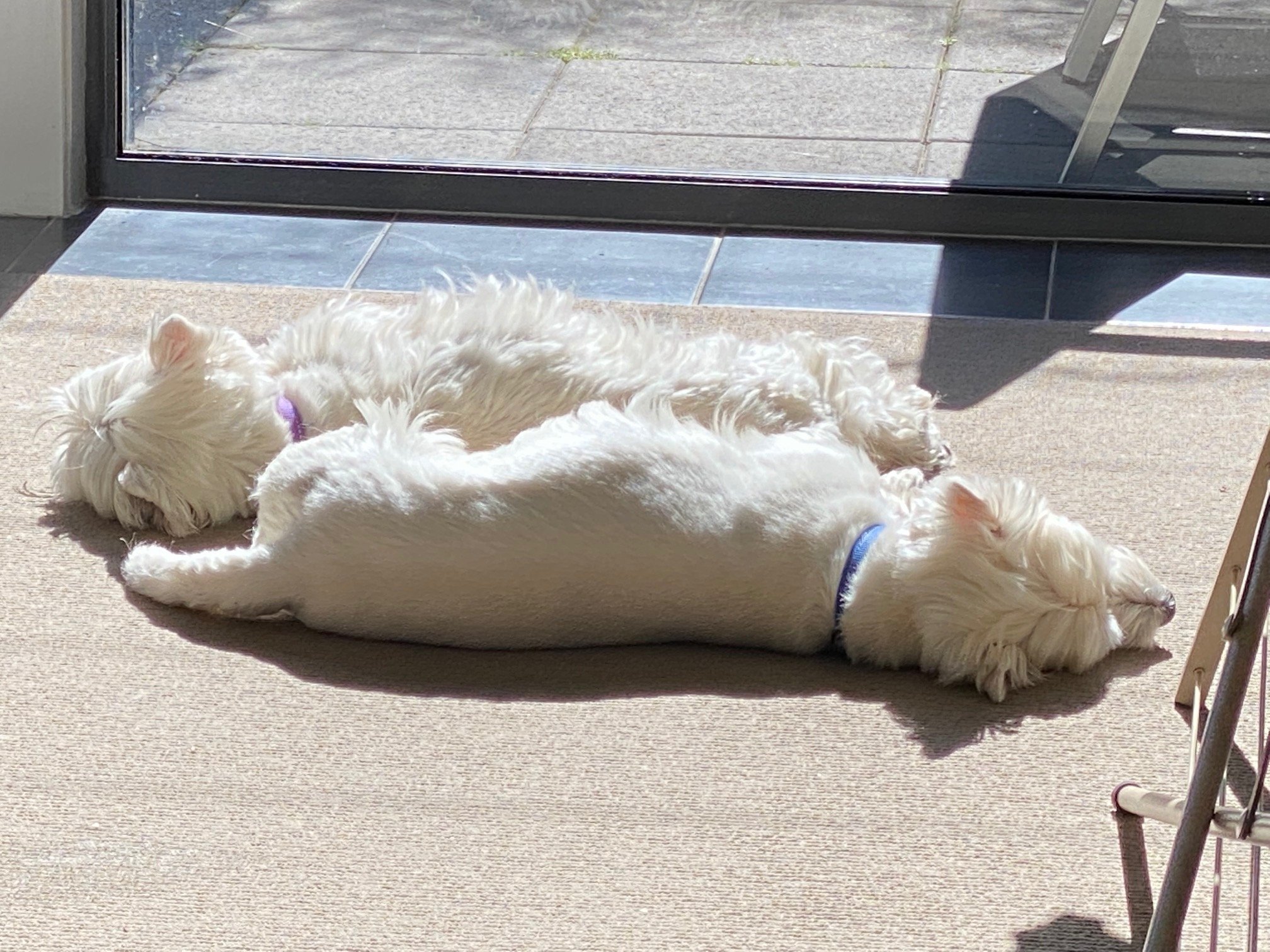
Polly joined the household a couple of years after Bobby and had a personality that demanded pats, unrestricted access to the couch and any walks being on her terms.
It was another lesson for me in working with the personality of all the canines which make up a home.